Veitur to start exploratory drilling for increased geothermal heating in Reykjavik, Iceland
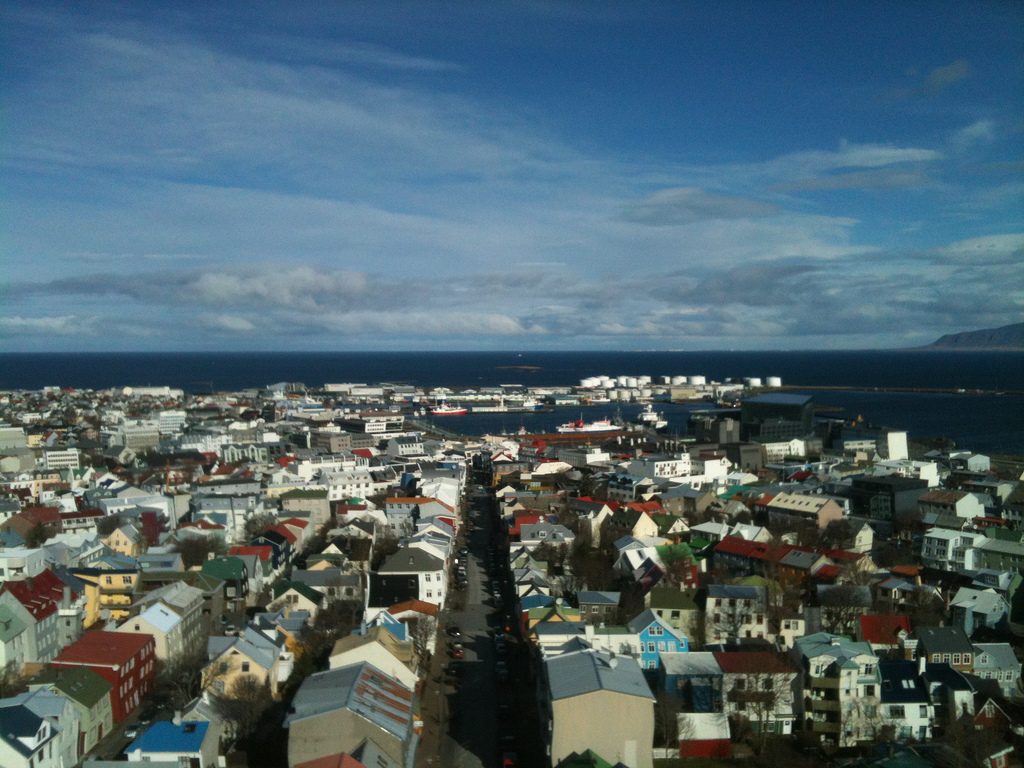 View over Reykjavik, Iceland (source: flickr/ Nick Ison, creative commons)


 Carlo Cariaga
7 Oct 2024
Carlo Cariaga
7 Oct 2024
Veitur will soon start drilling of exploratory wells in Kjalarnes and Geldinganes to increase geothermal heating capacity in the city of Reykjavik in Iceland.
District heating company Veitur, subsidiary of Reykjavik Energy (Orkuveita Reykjavíkur / OR), has been authorized by the City of Reykjavík to start exploratory drilling in the areas of Kjalarnes and Geldinganes. The goal for this project is to increase the capacity for geothermal heating in the capital city of Reykjavik, Iceland to ensure sufficient supply based on a growing heating load.
Veitur has started new development efforts for geothermal heat to ensure constant delivery of hot water to residents and businesses. With the capital city expanding rapidly, Veitur estimates that the maximum heating load increases by 120 liters per second every year.
The aim is to start drilling at Kjalarnes and Geldinganes in October, according to Thráin Fridriksson, resource leader of heating supply at Orkuveitunna. The company had previously conducted some test drilling this summer at Álftanes, which have been promising.
Thráinn says that Veitur operates several heating utilities and is by far the largest utility in the capital area. Utilities must be ready to handle the peak usage that occurs during cold spells in winter. The maximum consumption in the capital area increases by 100-120 second liters between years. “We are dealing with the top, not the average,” said Thráinn.
An agreement has been reached with the Floa og Skeida Farming Association ehf. to execute the drilling projects. The company will be drilling wells to a depth of 800 meters. They will be lined with 8 ?” casing down to about 300 meters and the work piece will be drilled with a 6 ½” bit. “If a well like this hits a good spot, it can give 25 liters per second,” said Thráinn.
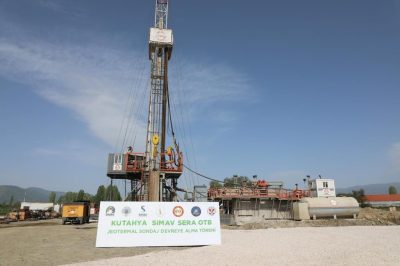
The drilling rigs Freyja, in Kjalarnes, and Trölli, in Geldinganes, will be used for the work. Work has been done to prepare drilling plans and build access roads.
Source: Mbl.is