Study highlights low-temperature geothermal potential in Southwest Netherlands
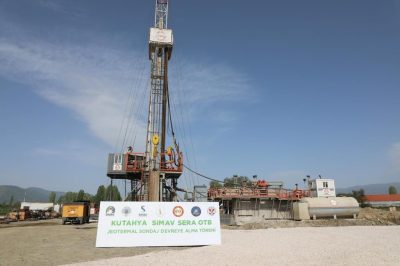
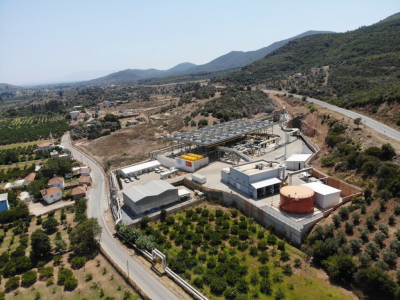
 Drilling at the Krukweg location in Heijningen, North Brabant, Netherlands (source: SCAN)


 Carlo Cariaga
1 May 2026
Carlo Cariaga
1 May 2026
A study using recent well data with seismic and regional data highlights opportunities for direct use of low-temperature geothermal heat in SW Netherlands.
A new integrated reservoir study based on recently acquired data provides new insight on the potential of low-temperature geothermal energy for direct use applications in Southwest Netherlands. The project focused on improving understanding of the geothermal reservoir, and translating that knowledge into realistic, economically viable heat projects.
The study was carried out by Sproule ERCE and Witteveen+Bos and was commissioned by Energie Beheer Nederland (EBN) and the Provinces of Zuid-Holland, Noord-Brabant, and Zeeland.
The full study, “Geothermal Energy SCAN – Implication Study Zeeland, West Brabant and South Holland South,” can be accessed at the EBN website (in Dutch).
Evaluating technical and commercial viability
The primary data source for this study was the exploratory geothermal drilling in Heijningen, which took place on Krukweg in the spring of 2024, as part of the SCAN program. The drilling reached a depth of 834 meters and demonstrated the presence of the layers with sufficient thickness and permeability required for geothermal fluid extraction.
New datasets were collected from the Oranjeoord-01 research well including routine core analysis, well logs, geomechanical data, and temperature measurements. This data was then combined with seismic information and existing regional datasets to build a fully integrated static subsurface model.
This study improved understanding of the Brussels Sand Member and its geothermal potential. Specifically, the study provided insights on the relationship between permeability and depth, the facies distribution and its impact on permeability, and the geomechanical behavior of the reservoir under injection-related pressure differentials.
To evaluate the potential applications of the low-temperature geothermal resource hosted by the Brussels Sand, an economic flow rate of 150 m3/hour with production temperatures of up to 40 °C was determined. This corresponds to a single doublet with capacity of up to 5 MWth. These parameters are ideal for direct-use heat projects such as district heating networks, greenhouse horticulture, and heating of public and commercial buildings.
Region-specific opportunities
The study notes three regions where geothermal energy use warrants further investigation:
- In southern South Holland, the favorable subsurface in Goeree-Overflakkee presents opportunities for low-temperature geothermal heat. The Spijkenisse, Hellevoetsluis, and Oud-Beijerland region is also potentially interesting because of its surface heat demand, but subsurface conditions are considered average.
- In West Brabant, the team sees opportunities for the use of low-temperature geothermal heat in heat networks in Zevenbergen, Breda, and Made.
- Subsurface conditions in Zeeland are not as good as the other two regions, but the greenhouse horticulture area on the northern side of Tholen and Schouwen-Duiveland may present economically viable opportunities. However, discussions with the greenhouse horticulture sector reveal a preference for high-temperature geothermal heat.
Municipalities or operators can use the results of this study as a starting point for applying for a Geothermal Energy Search Area Allocation. With this permit, they can further develop opportunities for geothermal energy extraction together with partners.
Source: EBN and Sproule ERCE