Turkish investors to take over Velika Ciglena geothermal power plant in Croatia
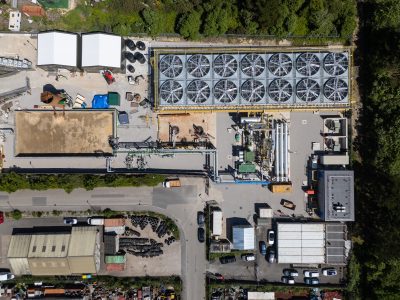
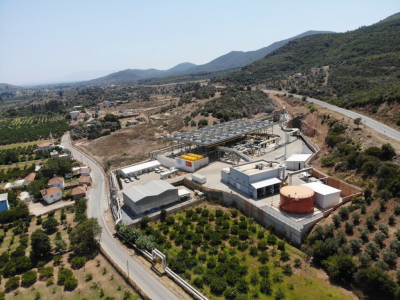
 Velika Ciglena geothermal power plant, Croatia (source: Turboden)


 Carlo Cariaga
19 Jan 2026
Carlo Cariaga
19 Jan 2026
The Velika Ciglena geothermal power plant in Croatia has been returned to Turkish investors, ending the dispute and allowing for the facility's rehabilitation.
The much-disputed Velika Ciglena geothermal power plant near Bjelovar, Croatia will now be returned to the company Geoeon doo, which is majority owned by Turkish investors. The property has been handed over as of 12 January, and the owners can start on rehabilitation work immediately to get the plant running, as it has not been operational since early 2022.
Inaugurated in 2019, the 16.5-MW Velika Ciglena geothermal power plant should have heralded the start of geothermal power generation in Croatia. However, legal conflict between the project’s Croatian and Turkish stakeholders, namely Dragan Jurilj and MB Holding, resulted in the suspension of state subsidies, as well as payments from the Croatian Energy Market Operator (Hrvatski operator tržišta energije d.o.o. / HROTE). In September 2025, HROTE opened bankruptcy proceedings with the company. More details on the legal dispute have been reported by ThinkGeoEnergy previously.
The court decision to transfer the project to Geoeon was confirmed to the Lider publication by bankruptcy administrator Davorka Huljev. The deposit from the bankruptcy proceedings will be used to cover the costs of the proceedings, as well as to pay creditors including workers owed by the company. Geoeon will also be able to dispose the EUR 14.3 million of funds from the payments of HROTE, previously held in court deposit, for electricity produced during the initial operations of Velika Ciglena.
As part of the court decision, all entries in the court register on the transfer of the power plant to Geo Power Energy Development (GPED) have been deleted, including the pronouncement of Dragan Jurilj as the sole director of Geoeon. It also follows the GPED never held the concessions to exploit thermal waters at the project site, nor the right to sell electricity to HROTE. Thus, it was declared ineligible to receive any of the compensation from HROTE for electricity produced.
Source: Lider Media