Szeged, Hungary starts project to reduce methane emissions during geothermal drilling
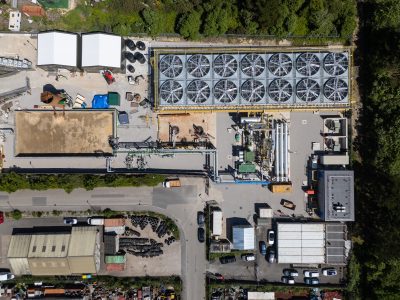
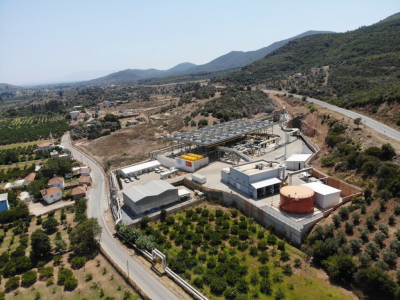
 Geothermal heating center in Gyöngyvirág Street, Szeged, Hungary (source: City of Szeged)


 Carlo Cariaga
3 Sep 2025
Carlo Cariaga
3 Sep 2025
The city of Szeged, Hungary has received funding from the Swiss Fund for a project to reduce methane emissions during the drilling of geothermal wells.
With plans to further expand the current geothermal district heating network, the city of Szeged, Hungary are undertaking a project to reduce methane gas emissions for all subsequent geothermal drilling operations.
Thermal waters hosted in the Great Plain (Alföld) contain a relatively large amount of gases, including methane. Since methane is considered a major greenhouse gas, even more so than carbon dioxide, the project aims to prevent its release into the atmosphere. The goal now is to separate the methane, dry it, and burn it as natural gas. Thus, the project will also produce additional energy.
While there is currently no legislation that prohibits the release of methane gases, it is expected that such a regulation will be in power by 2027.
To fund this program, Geo Hoterm Kft, along with the city district heating company, secured an investment of nearly HUF 1 billion (approx. USD 3 million) from the Swiss Fund following a tender. Dániel Mészáros, project manager of Geo Hoterm, further said that they have submitted two applications for the recently launched Jedlik Ányos Program for connection of the thermal circuits, and for the use of heat pumps for lower-temperature thermal water.
Szeged already hosts one of the biggest geothermal district heating networks in Europe after winning a tender for the construction of nine thermal circuits back in 2018.
Source: City of Szeged