Shaping the future of geothermal in Hungary – The 2025 European Geothermal PhD Days
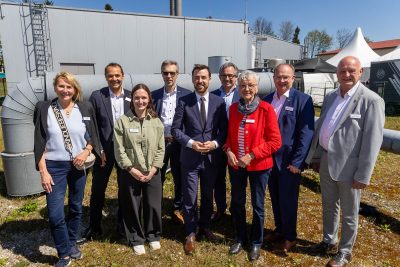
 The 2025 European Geothermal PhD Days in Szeged, Hungary (source: University of Szeged / Tamás Zsolt Vári)


 Carlo Cariaga
2 May 2025
Carlo Cariaga
2 May 2025
The European Geothermal PhD Days, held this year in Szeged, Hungary, once again gave the spotlight to tomorrow's leading geothermal researchers.
The European Geothermal PhD Days returned to Szeged, Hungary this year, after hosting it for the first time back in 2013. Bringing together researchers working on geothermal energy, this year’s event gave a platform to the leading researchers of tomorrow amidst the backdrop of one of the most significant geothermal hotspots in Europe.
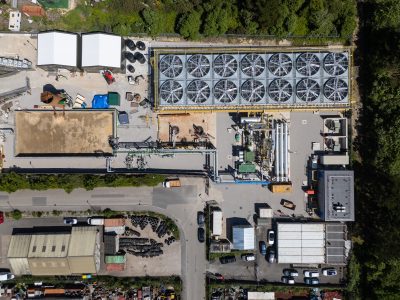
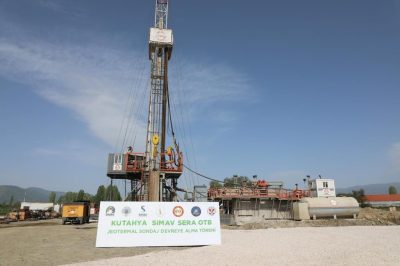
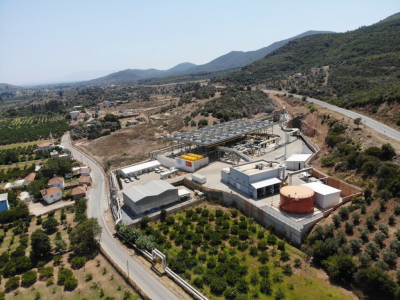
The 16th edition of the European Geothermal PhD Days was held on April 2025 and was organized by the University of Szeged in Hungary. Aside from bringing together a large number of participants from European universities to share their work, participants also visited Szeged’s district heating provider and an active drilling operation, where a well for the city’s nine-site geothermal system was being completed.
The event was made possible through the support of the National Research, Development and Innovation Office’s Mecenatúra grant program, as well as contributions from organizations active in the field of geothermal energy.
“All participants are currently studying at European universities, but we also had students from Canada, Indonesia, and Kenya – countries where geothermal energy is widely utilized, including for electricity production,” said Dr. János Szanyi, the chair of the organizing committee for the 16th European Geothermal PhD Days.
“More importantly, these PhD students will become the leading researchers of tomorrow, and the conference offers a valuable opportunity for them to connect before moving on to careers in industry or advanced academic research. In fact, one of this year’s speakers first attended the event years ago as a student. Early connections like these often grow into long-term collaborations that help shape the field.
The geothermal sector itself is a prime example of how even the largest countries in Europe – including Italy, Germany, and France – depend on close cooperation between research and industry to achieve lasting progress.”
In Hungary, the University of Szeged stands out as a leading center for geothermal energy research. Its international reputation is further strengthened by Dr. János Szanyi’s role as coordinator of the Panel of Experts on Geothermal Energy within the European Federation of Geologists – one of the main reasons Szeged was chosen as the host city for this year’s event.
Hungary itself plays a prominent role in the geothermal sector, a fact reflected in the strong presence of Hungarian experts within the field’s most influential international organizations. Among them is Professor László Rybach from the University of Zurich, who has been active in geothermal research since 1975 and previously served as president of the International Geothermal Association.
Speaking at the conference, he emphasized how much the field has evolved over the past decades – and how it continues to offer significant opportunities for research and innovation.
Dr. Miklós Antics, president of the European Geothermal Energy Council (EGEC), is another Hungarian expert who holds an influential position in a key international organization. At the conference, Dr. Antics explained, “The EGEC is involved in several European programs, primarily to share knowledge with its members and to promote the use of geothermal energy at the European level. Research is essential to geothermal development – only through research can we reach the point where geothermal energy is produced economically.”
Source: University of Szeged