Hungary builds capacity through the first Geothermal Short Course in Budapest
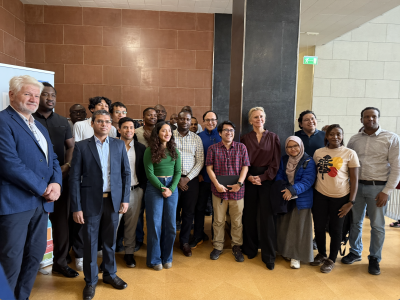
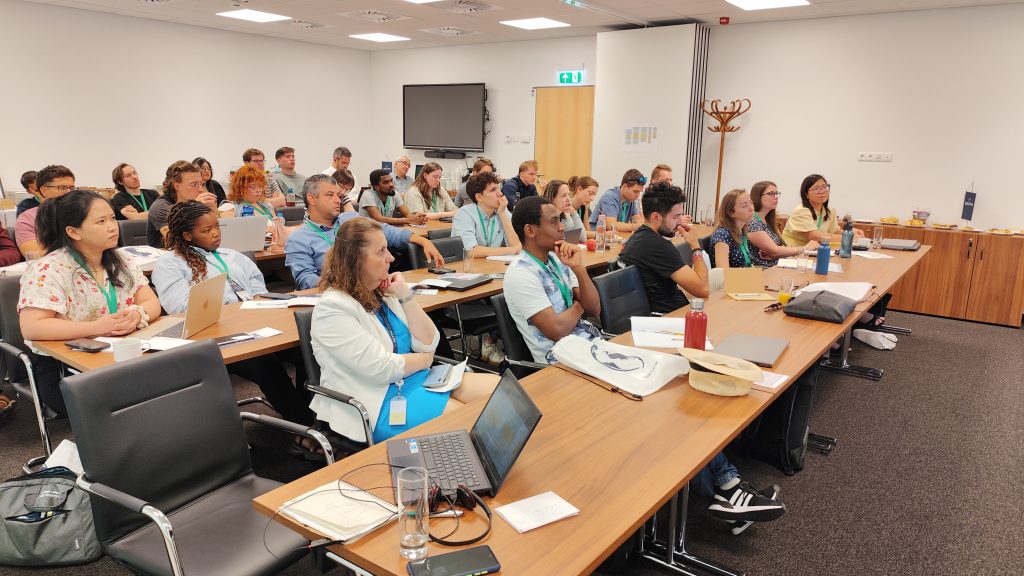 Participants at the Geothermal Short Course organized by SARA/SZTFH in Budapest, Hungary (source: Ábel Markó)


 Samerah Nicolas
15 Sep 2025
Samerah Nicolas
15 Sep 2025
Organized by SARA, a Geothermal Short Course in Budapest contributed to geothermal education while highlighting Hungary's geothermal expertise and history.
I had the great opportunity to attend the Geothermal Short Course 2025, held in Budapest, Hungary from 23 to 27 June 2025. The program successfully brought together budding young students, professionals, MSc and PhD students, and experienced professionals looking to deepen their involvement in the geothermal field.
Organised by the Supervisory Authority for Regulatory Affairs (SARA), the short course, titled “Exploration and Utilisation of Geothermal Resources in Sedimentary Basins,” aimed to contribute to the training of the next generation of geothermal professionals while strengthening Hungary’s role as a regional knowledge centre in hot sedimentary aquifer exploration.
Hungary has a long-standing history of geothermal direct use in sedimentary basins and is home to experts with deep knowledge and wide-ranging expertise. With this course, SARA sought to share that national expertise, complemented by contributions from invited international specialists.
Supporting the global energy transition
Dr. László Nagy, President of SARA, opened the event by welcoming 29 participants from across four continents, highlighting the importance of geothermal energy in the global energy transition. He emphasized that knowledge sharing is a key driver in accelerating the deployment of geothermal solutions worldwide.
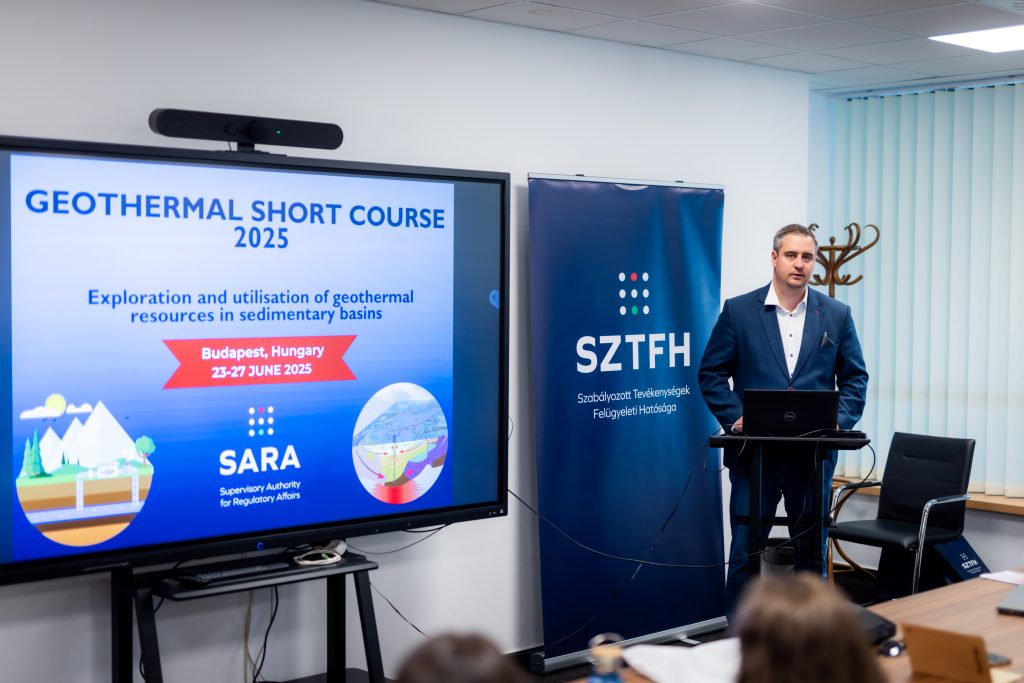
Despite its compact format, the short course offered a comprehensive overview of subjects critical to the full lifecycle of geothermal development, blending theory, case studies, and practical application. Topics included:
- Geothermal Project Development, the Energy Transition, and Economics
- Geological & Geophysical Exploration
- Hydrogeology, Geochemistry, and Reservoir Processes
- Geothermal Drilling, Wells, and Resource Management
- Basin and Regional Case Studies – including Budapest, Paris, and Austria
Highlighting international experience and local expertise
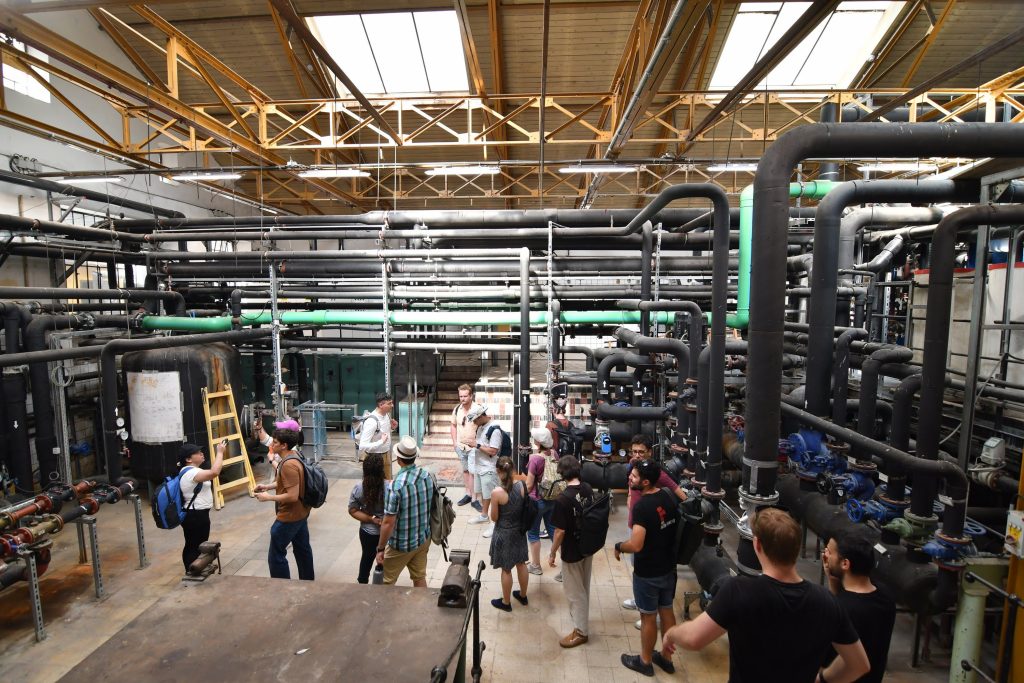
A full day was also dedicated to field activities, starting with a live demonstration of well-logging equipment and procedures by Geo-Log Environmental & Geophysical Ltd. This was followed by visits to the geothermal heating system at the MTK Sports Park facility and the Széchenyi Thermal Spa & Zoo complex, both located in Budapest.
The event also served as an excellent platform for networking and knowledge exchange. Participants came from diverse professional backgrounds—including undergraduate students, academic researchers, oil and gas professionals, and private sector representatives within the geothermal industry. Despite their varied roles, everyone shared a common goal: to expand their understanding of geothermal energy and contribute their own experience and expertise to the dialogue.
Among the highlights were guest presentations from Sanjeev Kumar, Policy Director of the European Geothermal Energy Council (EGEC), and Miklós Antics, EGEC President. They discussed the history of geothermal energy in Europe and provided valuable insights into policy frameworks, market development, and strategies to support the growth of sustainable geothermal deployment across the region.
Further plans for the short course
In my correspondence with Ábel Markó, Energy Specialist at SARA and one of the lead coordinators of the event, he shared their satisfaction with how the short course turned out:
“We were especially glad to see the active discussion among the participants during the workshop session organised on the closing day. The active participation, along with the diverse professional backgrounds and career stages of the 29 participants, led to valuable exchange of ideas and meaningful dialogues.”
When asked whether the course will be offered again, he added: “Yes, we plan to continue in the coming years, building on the experience gained this year and on the network we’ve established. Further plans include organising similar educational programs with specific focus and content.”
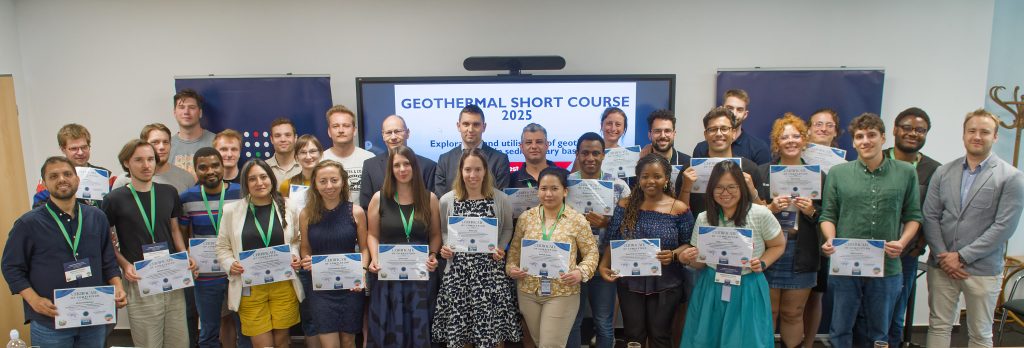
Hungary’s first-ever geothermal short-course was a resounding success, supported and expertly coordinated by its lead by SARA. The program featured engaging lectures, thought-provoking discussions, and inspired active participation from all attendees. We extend our best wishes to Hungary in its ongoing efforts to grow its geothermal industry and strengthen its vibrant geothermal community.