Nakao geothermal plant unites energy and hot springs
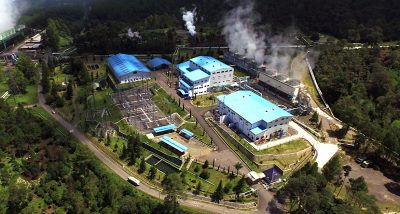
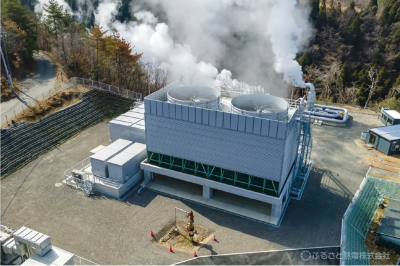
 Picture: Okuhida Onsenkyo Nakao Geothermal Power Plant (source: Toshiba)


 Alexander Richter
12 Nov 2025
Alexander Richter
12 Nov 2025
Japan’s Nakao Geothermal Power Plant in Okuhida shows how clean power and onsen culture can thrive together through community-driven development.
In Japan’s Northern Alps, a new geothermal power plant is demonstrating that clean energy and traditional onsen culture can coexist and strengthen each other. The Nakao Geothermal Power Plant in Okuhida Onsenkyo, Gifu Prefecture, was developed through close collaboration between C-Energy Corporation (Chubu Electric Power Group) and the local Nakao Onsen Co. Ltd.
The project secures a sustainable future for the region’s hot springs while contributing to Japan’s renewable-energy goals. Steam used for power generation will continue to provide thermal water free of charge to the surrounding onsen district, an arrangement that helps preserve local tourism and cultural heritage.
From declining tourism to shared opportunity
During Japan’s 1980s onsen boom, the Nakao area drew more than a million visitors each year. But as tourism declined, maintaining ageing wells became difficult for local inns. The geothermal project emerged as a way to revitalise the region by producing electricity and securing stable hot-spring flows.
C-Energy Corporation, supported by engineering partner Toshiba Plant Systems & Services, took the lead in designing and constructing a compact facility adapted to the mountain landscape and community traditions. Extensive consultation with residents ensured the plant blended visually and operationally with its surroundings.
Building trust and sustainable supply
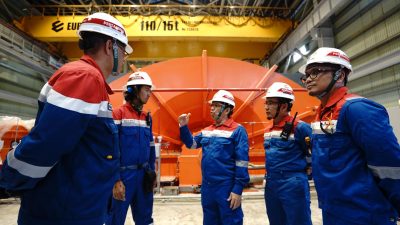
Project leaders described years of technical challenges, from drilling unstable steam wells to meeting strict environmental and safety standards, yet persistent collaboration between engineers and the onsen community kept the project on track. Even during the COVID-19 pandemic, work continued under rigorous safety measures without any local infections reported.
The completed facility now supplies electricity while securing abundant, high-temperature spring water for Nakao Onsen. Operators expect the plant to serve the area for at least five decades, symbolising a long-term partnership between renewable energy and regional culture.
A model for geothermal coexistence
The Nakao project highlights how geothermal development can reinforce, rather than replace, traditional uses of underground heat. By aligning community interests with technical innovation, it offers a blueprint for other hot-spring regions in Japan seeking both energy independence and cultural preservation.
This article was published by Toshiba TPSC and shares additional details on social aspects, engineering experience etc.
See additional coverage on Japan.
Source: Toshiba TPSC