Groundlink Energy’s vision for sustainable geothermal growth in Vanuatu
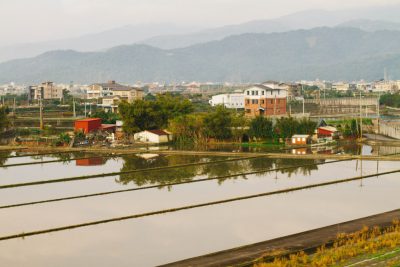
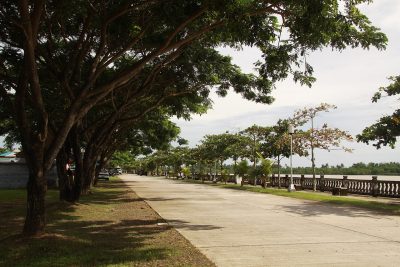
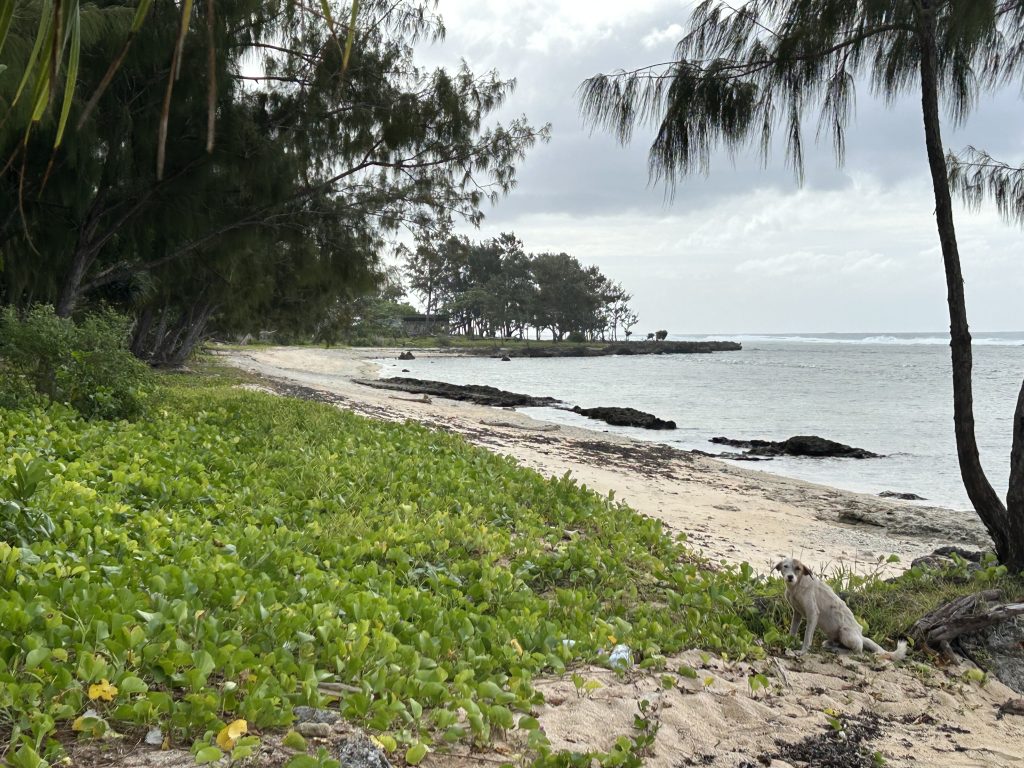
 Groundlink Energy's vision for sustainable geothermal growth in Vanuatu (inset photo: view of Emao Island taken at Takara 13 May 2025 by Groundlink Energy)


 Carlo Cariaga
7 Jul 2025
Carlo Cariaga
7 Jul 2025
Groundlink Energy is building on industry experience, existing geologic data, and harmonious community relationships to pave the way for geothermal in Vanuatu.
Geothermal is considered a game-changing opportunity for small islands, offering energy self-sufficiency and potential for economic growth. Such opportunities have already been explored in the Caribbean islands, and early efforts are underway in the small island groups of the Canary Islands, Greece, and Indonesia.
Groundlink Energy is positioning itself in this market with a flagship geothermal project being developed in the Efate Island of Vanuatu. In an interview with Groundlink co-founder Mr Tim Horneman, we learned more about why the company is pursuing a project in Vanuatu and what a geothermal power plant could mean for the region.
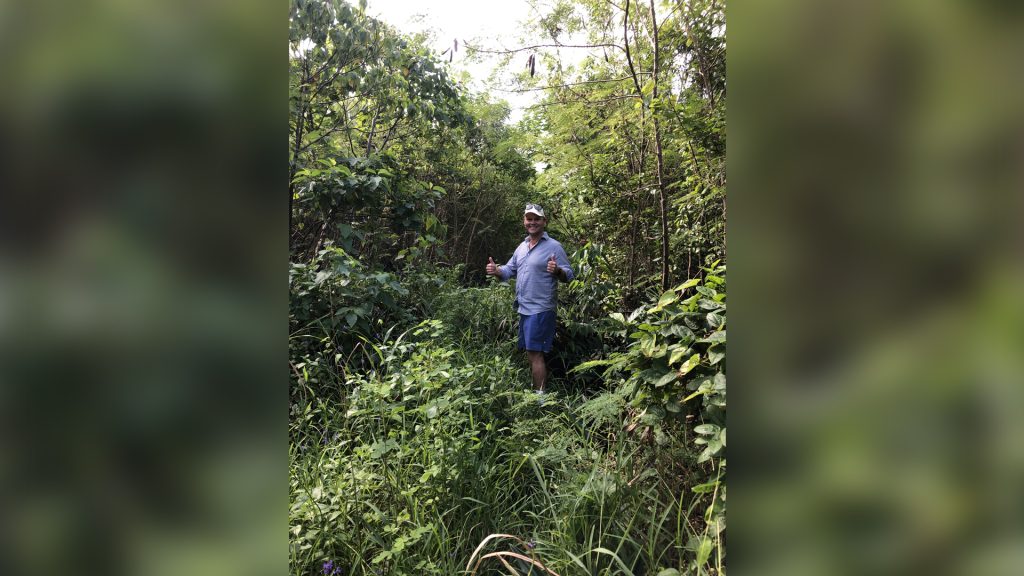
Why develop geothermal in Vanuatu?
Founded by four individuals with collective experience in geothermal development, drilling, environmental science, and finance, Australia-based Groundlink Energy aims to put together a portfolio of geothermal projects across the Pacific region. For the team, Vanuatu stood out because of the quality of the potential resource and the impact that the project could have on the local community and economy.
“We prioritized Vanuatu because we are confident in the potential resource,” explained Mr Horneman. “We are also confident that we can make a positive impact to the people and the economy of Vanuatu through the reduction of power costs, reduction of emissions, and reducing the dependence on diesel as the primary source of energy.”
A signal of strong support from the government is also a major reason for the developer to pursue a project site in Vanuatu. When Prime Minister Jotham Napat came into office, he prioritized geothermal as part of the government’s 100-day plan. Ministers Rick Tchamako Mahe and Ralph Regenvanu, along with their respective departments, have also shown strong support for the initiative.
With Vanuatu part of the joint bid between South Pacific Nations and Australia to jointly host COP31 in late 2026, the project has the potential to showcase regional climate leadership on a global stage.
“It’s a very fertile and supportive environment in which to develop a geothermal project.” added Mr Horneman.
Learning from previous work
This is not the first time that geothermal development has been attempted specifically in the Takara site in North Efate. Another Australian company has shown interest in the project since 2009 but ultimately abandoned the project in 2016, citing various challenges including lack of electrical infrastructure connected to the project.
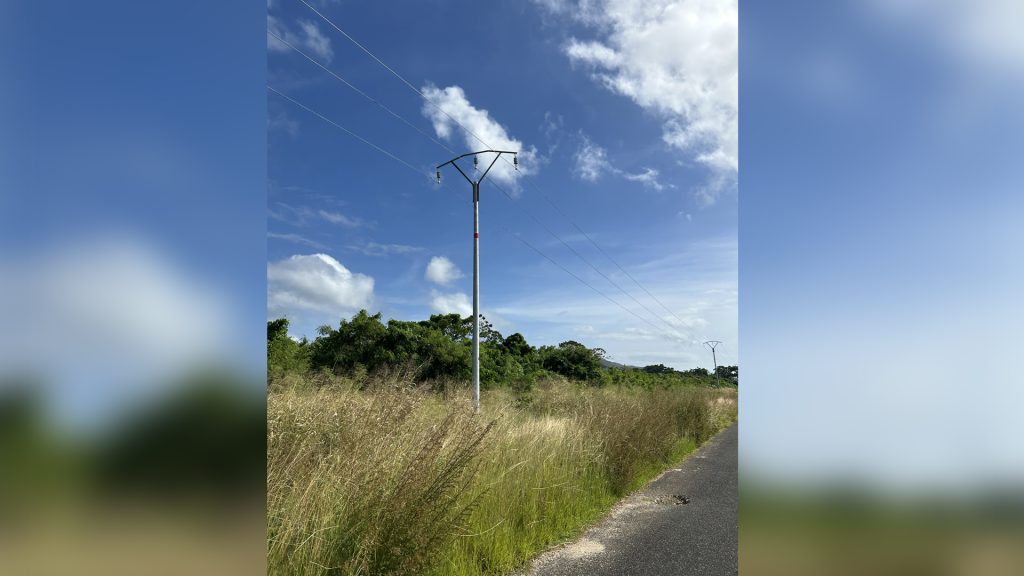
Today, the project benefits from a new and supportive regulatory regime and developments in the domestic market. However, one of the most important changes is supporting infrastructure is now in place. The power transmission network now extends to the project site, and the power lines pass all the way across the granted permit area. This means that there is no longer a large investment needed to get the power to the market.
“We applaud all of the previous development efforts. They have completed some high-quality work, and their previous progress has helped to de-risk the project for us,” further added Mr Horneman.
Based on past geoscientific work, the inferred geothermal resource has a capacity of 83 MW at P50 probability. A geothermal resource with temperatures of between 150 to 190 °C is expected at 500 meters depth. There is also a potential 300 °C resource at around 1500 meters depth. This will, of course, have to be validated by exploration drilling.
Driving sustainable economic growth with geothermal
“There is far more generation capacity potential from this project than what there is current domestic demand, and that capacity could be in the hundreds and hundreds of MWh capacity,” said Mr Horneman.
The company sees the potential excess power generation capacity as an opportunity for developing the project beyond the current domestic demand. This means that the project can help bring in new industries, such as data centres, to boost economic activity in Vanuatu. There are also nearby mining deposits that can be harnessed with mining operations powered by geothermal. Other industries requiring low-cost, low-emission electricity may also be attracted to the island.
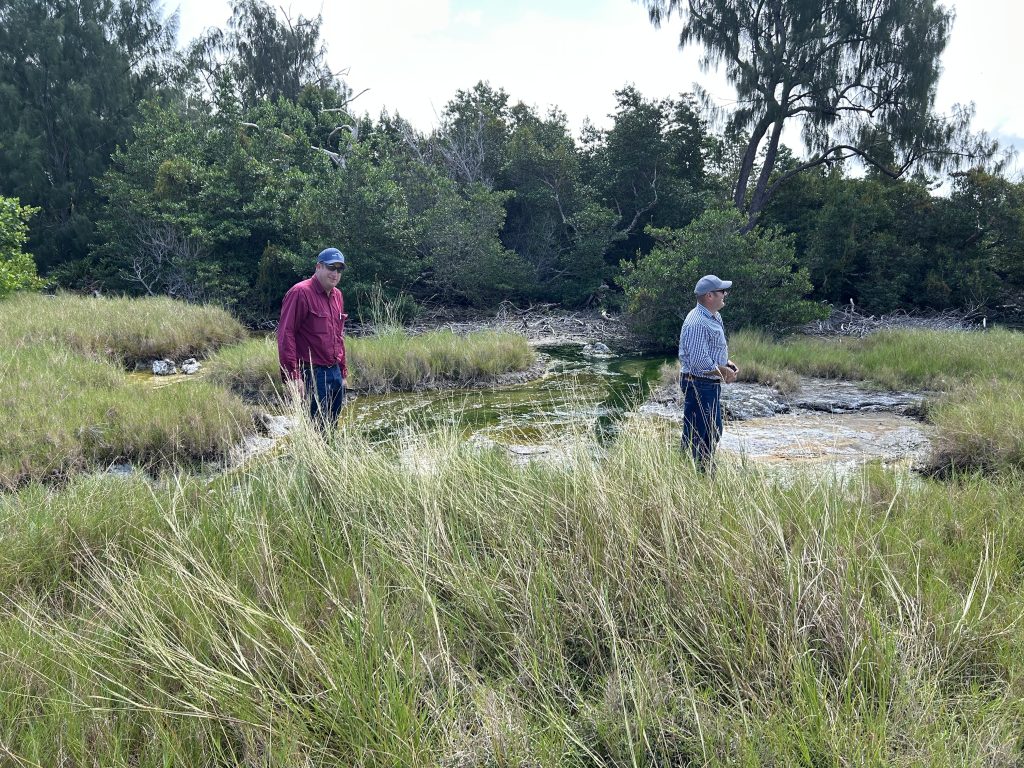
“We have early stage offtake discussions underway, and an existing MOU in place with one particular outfit for power supply in the vicinity of 10 MW. Our plans to connect the project directly with fibre optic cables opens up almost limitless potential to host data centers that have strong demand for power and cooling. We have further opportunities to explore such as carbon credits, processing local limestone for cement, green hydrogen production to displace diesel on nearby islands, and more.“ Mr Horneman added.
The company has also committed to targeting a high percentage of local content for their project. This means providing direct employment to the locals, and engaging with as many domestic contractors and suppliers as possible.
The value of community engagement
A crucial element of implementing large-scale infrastructure projects in remote communities and small islands is securing the support of the local community. In the case of Efate, previous efforts on geothermal development have paved the way for community engagement at the Takara site. “These previous efforts have raised the awareness in Vanuatu of the opportunity and potential of geothermal power,” explained Mr Horneman.
Still, the company has been hard at work in communicating with the local communities, and providing a platform for them to voice their questions and concerns. In May 2025, Groundlink Energy secured consent for the project from the local communities following a public consultation event.
“It was great to see the welcoming culture. We were pleased to share our plans and, at that meeting, the endorsement was provided to Groundlink to proceed with its exploration program. We have a really warm relationship with the local communities now, and we want to maintain those good relationships to keep them informed and supportive of our activities,” said Mr Horneman.
“For me, [community engagement] is a real priority, not only for being a good developer, but it’s a personal passion to create a strong ongoing connection with local communities and relationships built on trust.”
Near-term plans for geothermal in Vanuatu
Groundlink Energy is targeting an exploration drilling program, possibly with slim hole and core hole wells, next year. Before this, the team will revalidate the geological information with new surveys and update a geological model. Pre-submission for updated environmental approvals are currently underway. Discussions on power offtake and community engagement will continue to progress during this time.
Currently, the priority for the company is raise capital and form joint ventures with other investors and players to accelerate the development program. The company is accepting expressions of interest from investors and other industry representatives to co-develop the project. Groundlink Energy is also looking into a number of prospective permit sites in neighboring countries, and will seek to secure those once enough momentum has built in Vanuatu.