Project InnerSpace maps Indonesia’s geothermal potential
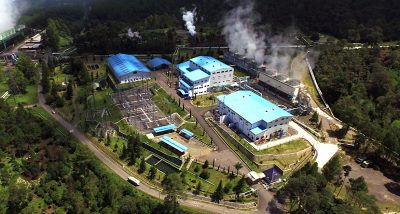
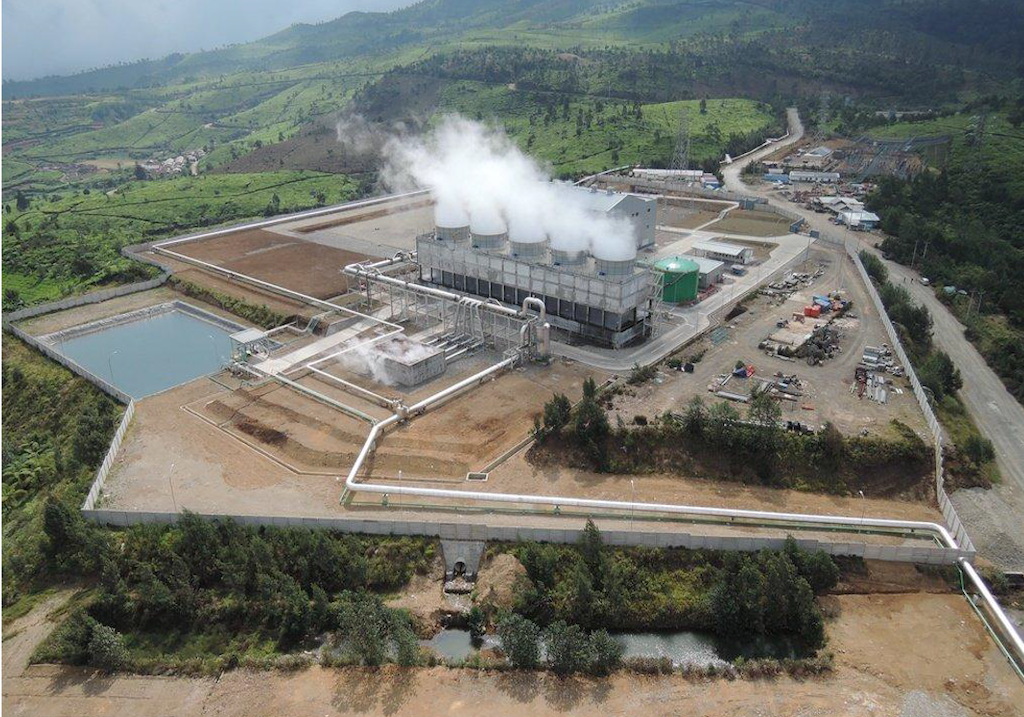 Pathua geothermal power plant, Bandung/ Indonesia (source: Toshiba)


 Alexander Richter
11 Dec 2025
Alexander Richter
11 Dec 2025
Project InnerSpace has published a national study mapping Indonesia’s geothermal potential, offering new data to support future development and investment.
Project InnerSpace has published a comprehensive assessment of Indonesia’s geothermal resource potential, offering updated data to guide future development, investment, and planning. The study, produced with support from the international research community and Indonesian partners, highlights both the scale of the country’s geothermal resource and the gaps in data coverage that must be addressed to accelerate deployment.
Indonesia hosts one of the world’s largest geothermal resource bases, yet only a small portion has been developed for power generation and direct-use applications. The new report aims to provide a clearer understanding of where heat resources are most accessible and where further subsurface investigation is required. It follows similar reports and mapping efforts by ProjectInnerspace we have reported on earlier.
Key findings of the study
According to the Project InnerSpace announcement, the resource assessment integrates multiple data sources to produce a national-scale geological model. The work includes:
- Updated mapping of prospective geothermal zones across Indonesia
- Identification of areas where data availability remains limited
- Recommendations for expanded exploration and data gathering
- Options for future geothermal use cases beyond power generation
The study is intended to support government agencies, research institutions, and developers involved in planning the country’s next phase of geothermal growth.
In the statement, Project InnerSpace noted that improving national data coverage can help reduce early-stage project risks and enable a more diverse portfolio of geothermal applications.
Broader momentum for geothermal innovation in Indonesia
The new assessment arrives as several Indonesian institutions explore how geothermal resources can support clean energy goals beyond electricity. Research initiatives are underway in areas such as heating and cooling systems, district networks, and industrial applications.
This broader interest reflects Indonesia’s strategy to use geothermal energy as a stable, domestic resource that can contribute to long-term decarbonisation across multiple sectors.
Next steps
Project InnerSpace aims to continue working with national stakeholders to expand geothermal datasets and make subsurface information more accessible. The organisation stated that additional collaboration across industry and academia will be necessary to reduce uncertainty and support sustained geothermal development.
Source: Press release by ProjectInnerspace