5.4-MW Yilan Tuchang geothermal power plant in Taiwan starts electricity generation
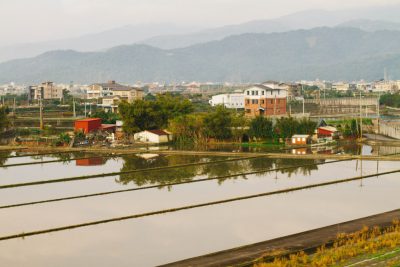
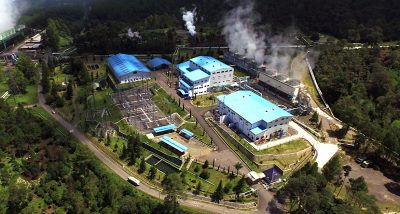
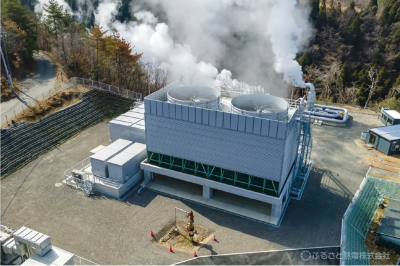
 The 5.4-MW Yilan Tuchang geothermal power plant in Yilan County, Taiwan (source: CPC Corporation)


 Carlo Cariaga
20 Feb 2026
Carlo Cariaga
20 Feb 2026
Electricity generation has started from the 5.4-MW Tuchang geothermal power plant in Yilan County, Taiwan, following development work that started in 2020.
Just ahead of the Lunar New Year, CPC Corporation Taiwan (CPC) announced that electricity generation has officially started from the 5.4-MW Yilan Tuchang geothermal power plant in the Tuchang region of Yilan County, Taiwan. This is the culmination of six years of concerted development effort by CPC and exploration work that dates back to the 1980s.
The Tuchang geothermal power plant now holds the distinction of being the first geothermal power plant in Taiwan to have an installed capacity above 5 MW.
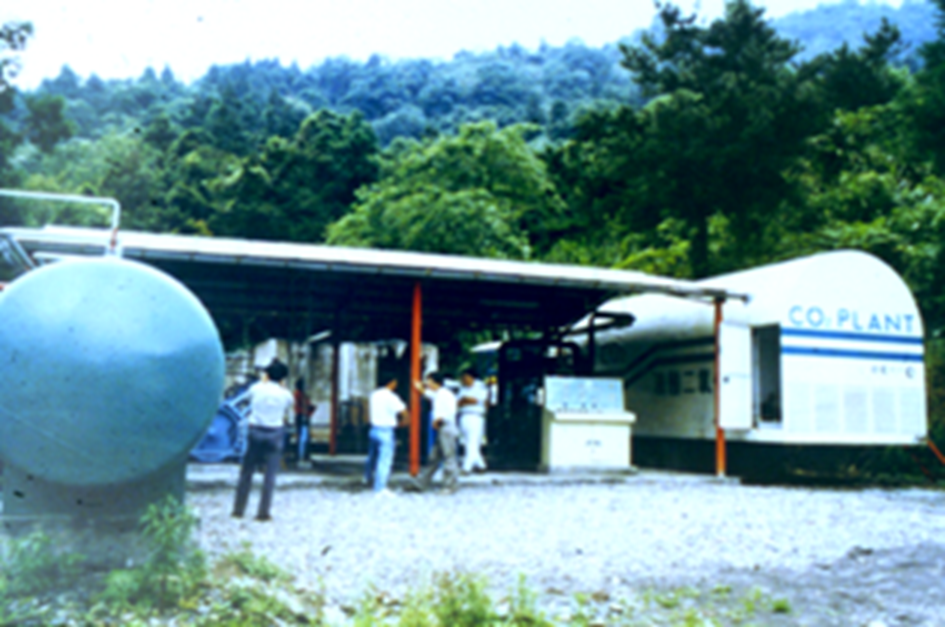
Early exploration work in Tuchang started in 1984, with the assignment of Industrial Technology Research Institute (ITRI) by the Energy Council of the Ministry of Economic Affairs with the task of building a 0.26 MW demonstration geothermal power plant using binary power plant technology. This facility operated from 1986 to 1994, completing its purpose as a technology verification and data collection project. It was then decommissioned.
In 2020, CPC restarted on-the-ground development work in Tuchang. The project ran into many challenges related to land acquisition, particularly as the site covered agricultural land, protected areas, and indigenous communities. More problems were faced after construction work began in May 2023 when access roads were washed away by typhoons and floods, preventing the entry of machinery into the site for almost 300 days.
Despite all the difficulties, the Tuchang geothermal power plant started trial operations in 21 December 2025 and officially started generating electricity on 31 January 2026. Optimization of the facility and equipment is currently ongoing.
Addressing bottlenecks of geothermal in Taiwan
The experience in developing the Tuchang geothermal project has made CPC identify three bottlenecks to faster geothermal growth in Taiwan – land acquisition, communication with local communities, and high power generation costs.
To address land-related issues, CPC is proposing a “public-to-public” model where the central and local governments will work together to overcome the difficulties of land acquisition for geothermal projects. Geothermal projects must also conform to high environmental monitoring and management standards to ensure that the environmental impact of such projects are minimized. This will help ensure good relationships with local communities, especially as the Taiwanese public is gaining more environmental awareness.
However, CPC emphasizes that all these efforts will not help geothermal development if there is no stable business model. The high initial investment of geothermal projects coupled with a long development cycle reduces their economic viability. To address this challenge, CPC continues to work on optimizing exploration technologies, reducing development costs, and improving power generation efficiency. It also seeks to cooperate with the government and private investors to create diversified energy development models.
Further exploration in Yilan
CPC continues to work on other geothermal exploration sites in Yilan. As part of a deep exploration program, the corporation had recently completed the drilling of the Yuanshan No. 1 well to a depth of 4028 meters. The measured temperature at the bottom was 143.6 °C, which was below the target 180 °C for commercial power development. Still, the well provided enough information to indicate that an upwelling heat source may be nearby.
CPC is currently focusing on the drilling of another deep geothermal well, Dongshan No. 1, to a target depth of 4000 meters. This is expected to be completed by April. They are also continuing with exploration activities in the Datun Volcano region, which presents a different challenge for geothermal development in the form of acidic fluids. The corporation is activity evaluating potential drilling targets to drill an exploration well in the region as soon as possible.
Source: Yahoo! Taiwan and MOEA